
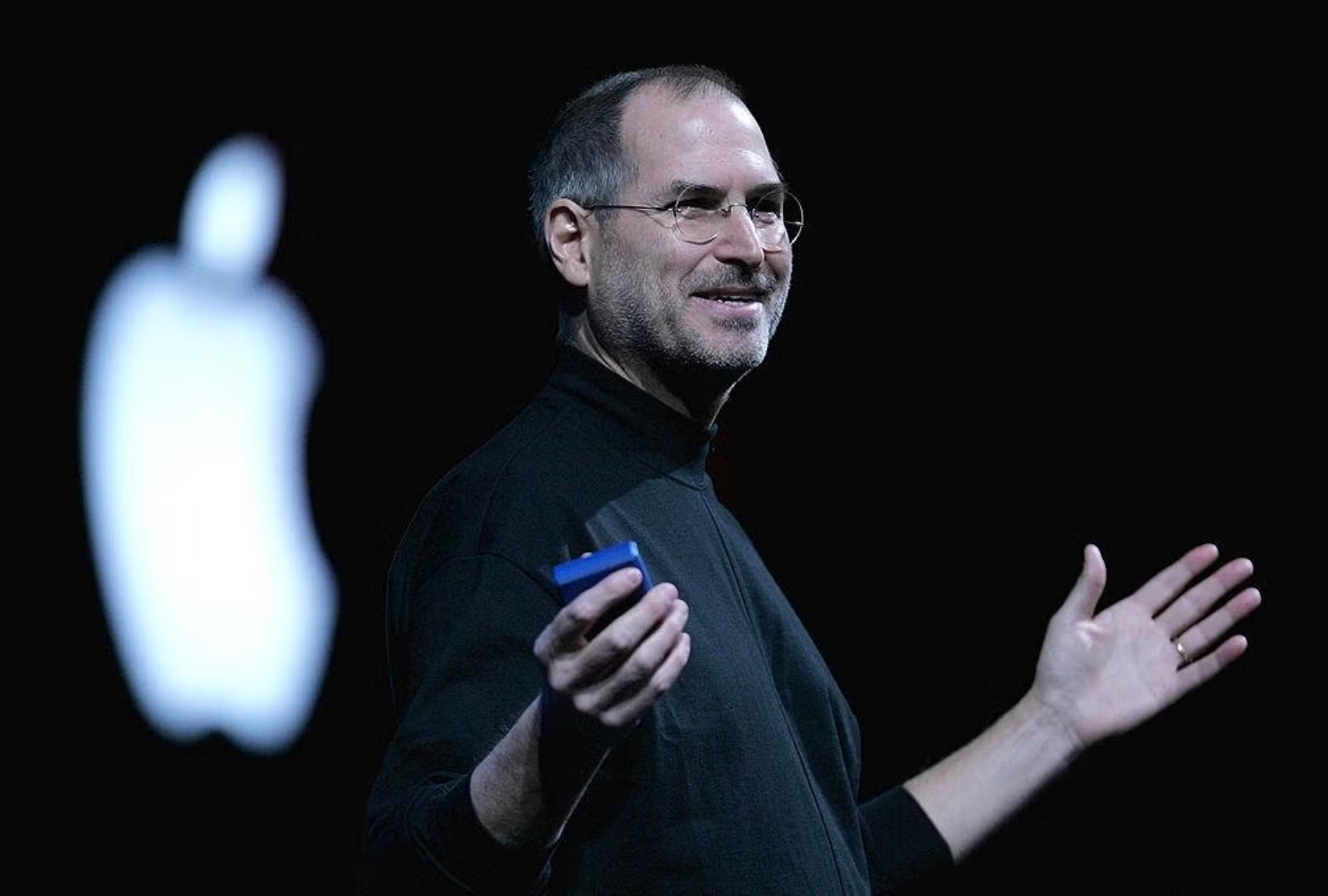
In 1997, after more than a decade away from Apple, Steve Jobs returned to lead the company. One of the first things he did was sit down with the leadership team and review Apple’s entire product lineup.
At the time, they had around 300 products. Jobs looked at the list, paused, and made a bold move:
He cut the 300 products down to four.
People were shocked. They pushed back. They argued. “How can you cut everything? How can we survive on four products?”.
And Jobs simply said: “You can’t put 300 things first.”
In this video, I want to challenge the word priority.
I’m in Kuala Lumpur at the moment, working with a leadership team here in Malaysia. Behind me you can probably imagine the KL skyline — the Petronas Towers standing tall — and inside the room, leaders were telling me the same thing I hear everywhere:
“We have so many priorities.”
“We have too many priorities.”
“We don’t know what to do first.”

But here’s something most people don’t realise. The word priority entered the English language in the 14th century — and for hundreds of years, it was singular. There was no such thing as “priorities. It meant the one thing that comes first.
It’s only in the last century that we bent the word out of shape and created “priorities.” And now we have to invent even more phrases to make sense of it: top priority, number one priority, most important priority.
You’ve probably used all of these. I have too. But I love this simple idea: If everything is important, nothing is.
My suggestion is simple but powerful: Ban the word priority as a noun. Use it only as a verb.
Instead of saying: “These are my priorities.”, say: “I need to prioritize.” Because prioritise comes from prior — meaning what comes first. It’s an action. It’s something you choose.
Here’s the difference:
Priority (noun)
- overwhelms you
- makes you feel like everything matters equally
- becomes a long, paralysing list
Prioritise (verb)
- empowers you
- gives you control
- asks: What comes first — now?

Don’t talk about “priority tasks.”. Talk about the list of tasks you have — and then prioritise them.
Don’t talk about “multiple priorities.” Look at all your projects — and prioritise the one that comes first.
It’s a subtle shift, but a transformative one.
A Question — or perhaps a challenge. Instead of saying, “I have too many priorities,” try asking yourself:
- What project will I put first this quarter?
- What task will I put first this week?
- And what will I protect and put first today?
Move from paralysis… to decision.
This is this week’s Work Smarter: Live Better tip.
Hope you have a lovely day!
A bientôt,
Cyril