
In the spring of 2022, the Oklahoma City Thunder had a terrible season—58 losses, placing them nearly at the bottom of the NBA. The next season, they won 40 games. The season after that, 57. By the following season, they racked up 68 wins, culminating in June 2025 when they won the NBA championship. From the bottom of the league to the very top in just three seasons.
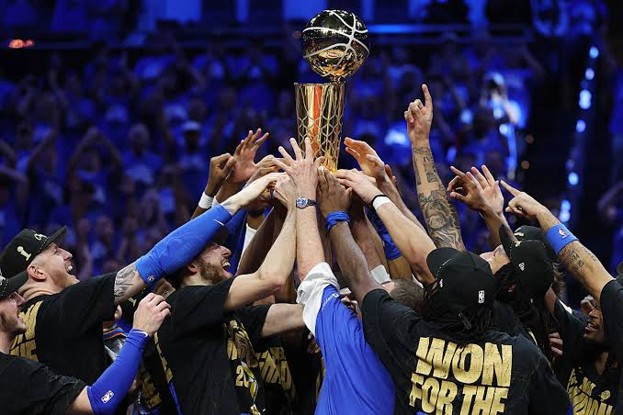
In this video, I want to talk about not only personal productivity, but team productivity.
When I work with leaders, our discussions often start around one or two individuals who are struggling. But very quickly, our conversation shifts to the broader team. If you improve the productivity of one or two people, it certainly helps them—but if you transform the productivity of an entire team, the impact is exponential. Most teams I work with are full of hardworking people who genuinely want to do well, yet the team as a whole doesn’t move as fast or as effectively as it could.
Ron Friedman, a social psychologist I’ve had the pleasure of connecting with, set out to answer a fascinating question: What makes a team truly more productive?

Ron and his team surveyed around 6,000 people to identify what he calls “super teams”—the groups ranking at the very top of performance metrics. He shared these findings in a Harvard Business Review article called How to Build a Super Team, as well as his new book, Super Teams: The Science and Secrets of High-Performing Teams.
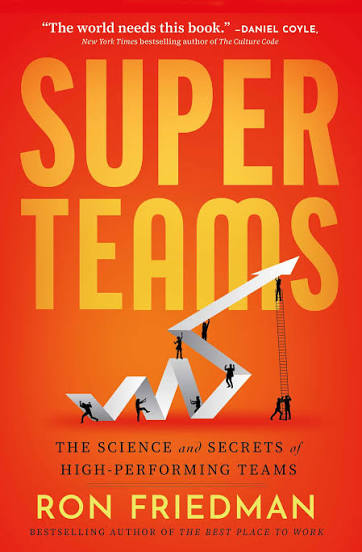
Looking at Ron’s research, three key strengths of super teams really struck me:
1. Time and Energy Management: Super teams are relentless about managing their focus, personal energy, and time. Beyond individual habits, they actively optimize how they interact, communicate, and structure their meetings as a collective unit.
2. Continuous Improvement: They constantly ask themselves: “Knowing what we know now, what could we have done better?” Instead of dwelling on criticism or what went wrong, their entire mindset is focused on continuous, incremental learning.
3. Mutual Help and Support: Team members genuinely have each other’s backs. They offer positive feedback, look out for one another’s best interests, and proactively offer help to move the whole team forward.
The result? Teams that move vastly quicker than their peers, reclaim time to solve high-priority strategic problems, and compound small weekly improvements into massive long-term success.
I highly recommend checking out Ron’s book, Super Teams.
So my question to you is: do you currently have a super team, and if not yet, which of these three strengths would make the biggest difference for you to start working on today?
This is this week’s Work Smarter, Live Better tip.
You have a lovely day.
À bientôt,
Cyril