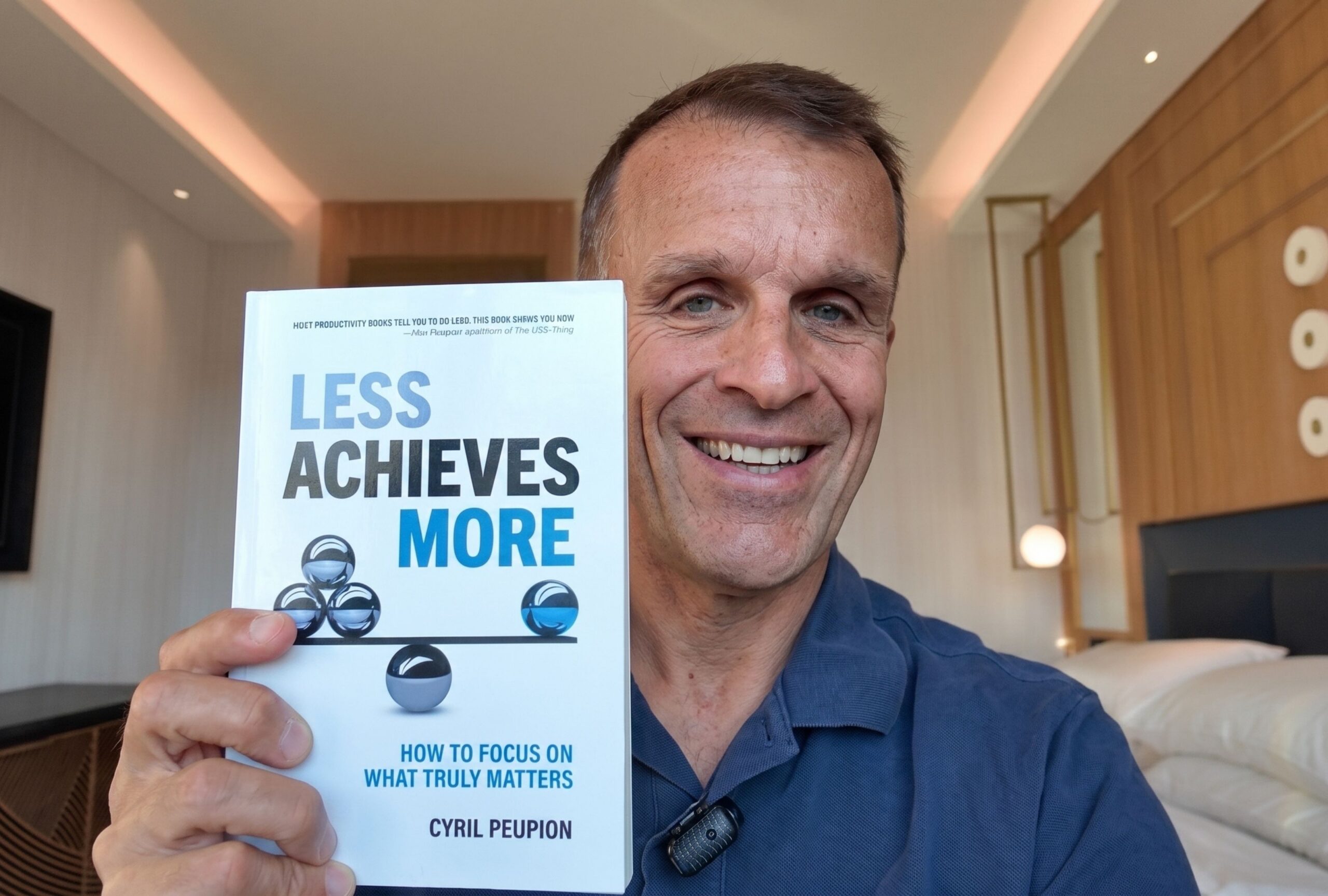
TK and I have been in Scotland for a week in a beautiful place called the Isle of Skye.
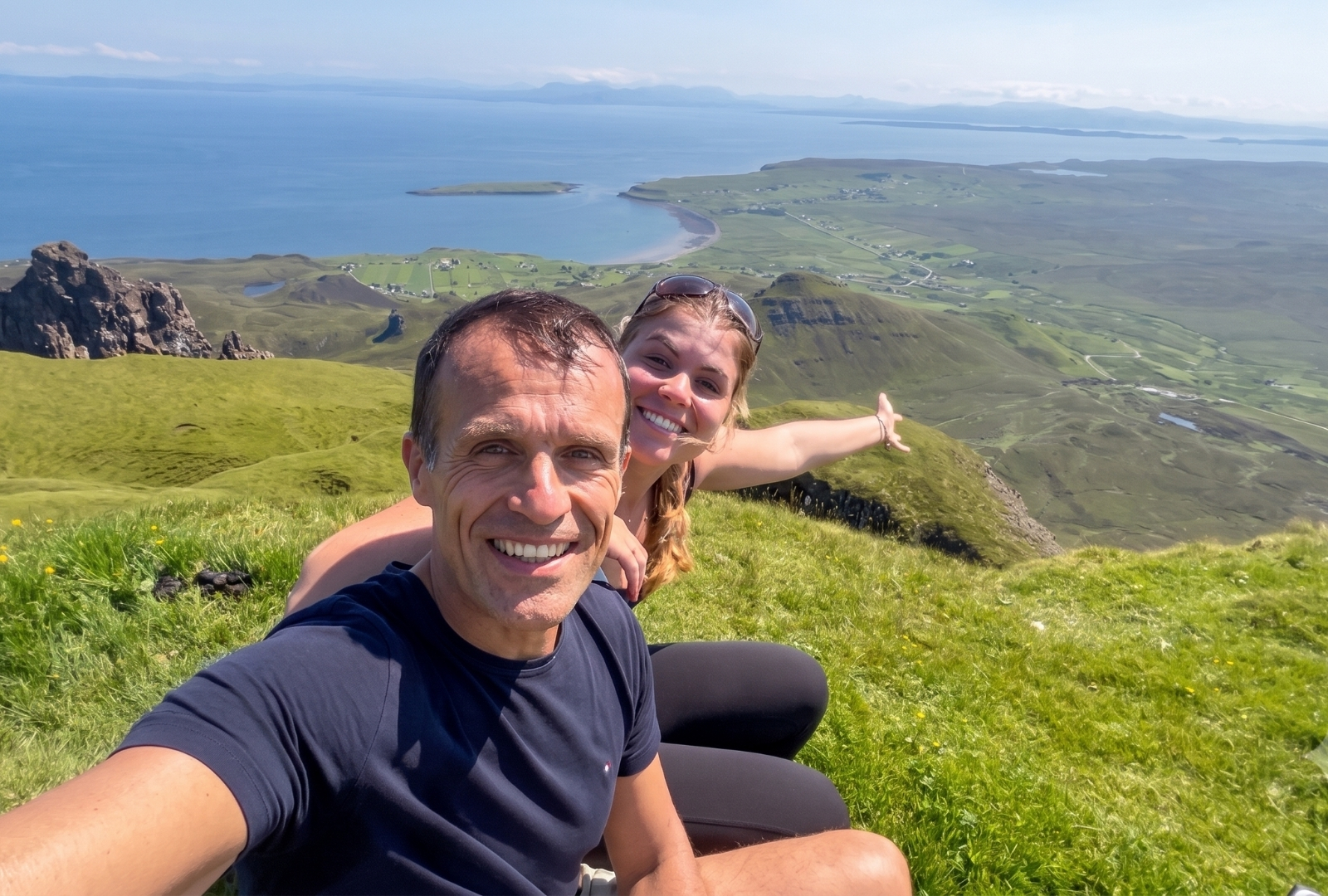
TK had it all mapped out in detail. She spent hours researching and planning an amazing itinerary—and then the Scottish weather had a completely different plan.
In this video, I want to talk about the myth that planning kills flexibility.
We’ve just joined my daughter, Mirabelle, and her best friend, Yuki. Mirabelle recently graduated and is taking a gap year, traveling around Europe for six months with Yuki. They are about two months in, so TK and I decided to “insert” ourselves into their trip for two weeks to treat the girls and enjoy Scotland together.
We spent a few days in Edinburgh and then headed up to the Isle of Skye. We’ve been here for five days, and even though it’s supposed to be summer, the weather has been cold, rainy, and foggy! Today is a rare clear moment, but TK—who is an amazing planner—had to adapt our itinerary on the fly.
It made me think about a debate I see all the time. Many people, including leaders I train, believe that planning destroys spontaneity and flexibility.
Mirabelle and Yuki felt the exact same way at the start of their gap year. They wanted complete “fluidity” without booking things in advance. But they quickly learned that a total lack of planning leads to stress, limited options, and expensive last-minute bookings. (We won’t go into detail about Mirabelle booking an Irish flight for the wrong month!)

As Mirabelle pointed out on our walk, planning actually creates more flexibility in the long run.
When leaders tell me they don’t plan because they need to “stay flexible,” I see the opposite happen. People who don’t plan end up completely reactive, stressed, and working much longer hours.
To get the best of both worlds, here are three simple rules I use on the business side:
1. Plan weekly.
Every week, I sit down to map out the days ahead. I look at my priorities and decide when I am going to do what. Having a bird’s-eye view of your week gives you a solid foundation.
2. Leave some “fat.”
Planning doesn’t mean scheduling every single minute. Out of a ten-hour workday, I only plan about seven hours. Leaving that extra space allows you to absorb unexpected fires without your whole day collapsing.
3. Be ready to adapt.
When your day is organized, adjusting to changes becomes easy. If the weather turns or an urgent meeting pops up, you know exactly what you are rescheduling and what impact it will have.
We are just about to finish the stunning Quiraing walk here on the Isle of Skye. The view from the top is unbelievable, and now we’ve got the walk down ahead of us.
So, my question to you is this: Are you resisting planning in the name of “flexibility,” only to find yourself stressed and reactive? What is one chunk of “fat” you can leave in your calendar next week to handle the unexpected?
This is this week’s Work Smarter: Live Better tip.
You have a lovely day.
À bientôt,
Cyril