Last week, just like every week, I did a really thorough planning session. I sat down and mapped out my week in detail. I’m probably on the extreme side of planning, but I love having a clear look at what’s ahead, organising my time, and getting things locked in.
And then came a mosquito bite.

In this video, I want to share three simple pieces of advice for when life completely derails your plans.
I always push the leaders I train to plan. I tell them it is essential to leave some “fat” in their schedule for the unplanned: if you work ten hours, only plan for eight, because the unexpected will happen. But what do you do when the unexpected is much bigger than a two-hour delay?
On our recent trip to Fiji, I brought back a little mosquito bite. It got slightly infected, but it didn’t seem like a big deal. So, over the weekend back in Sydney, I did what I always do: I went for a two-hour swim in the sea. Long story short, a nasty bacteria got into the bite.
By Friday, the doctor put me on antibiotics. By Saturday, TK looked at my foot and said, “That’s not good.” And by Sunday, I was rushed to emergency. Two operations with general anaesthetic later, I found myself spending a whole week stuck in a hospital bed. This has been my work environment for the last seven days.
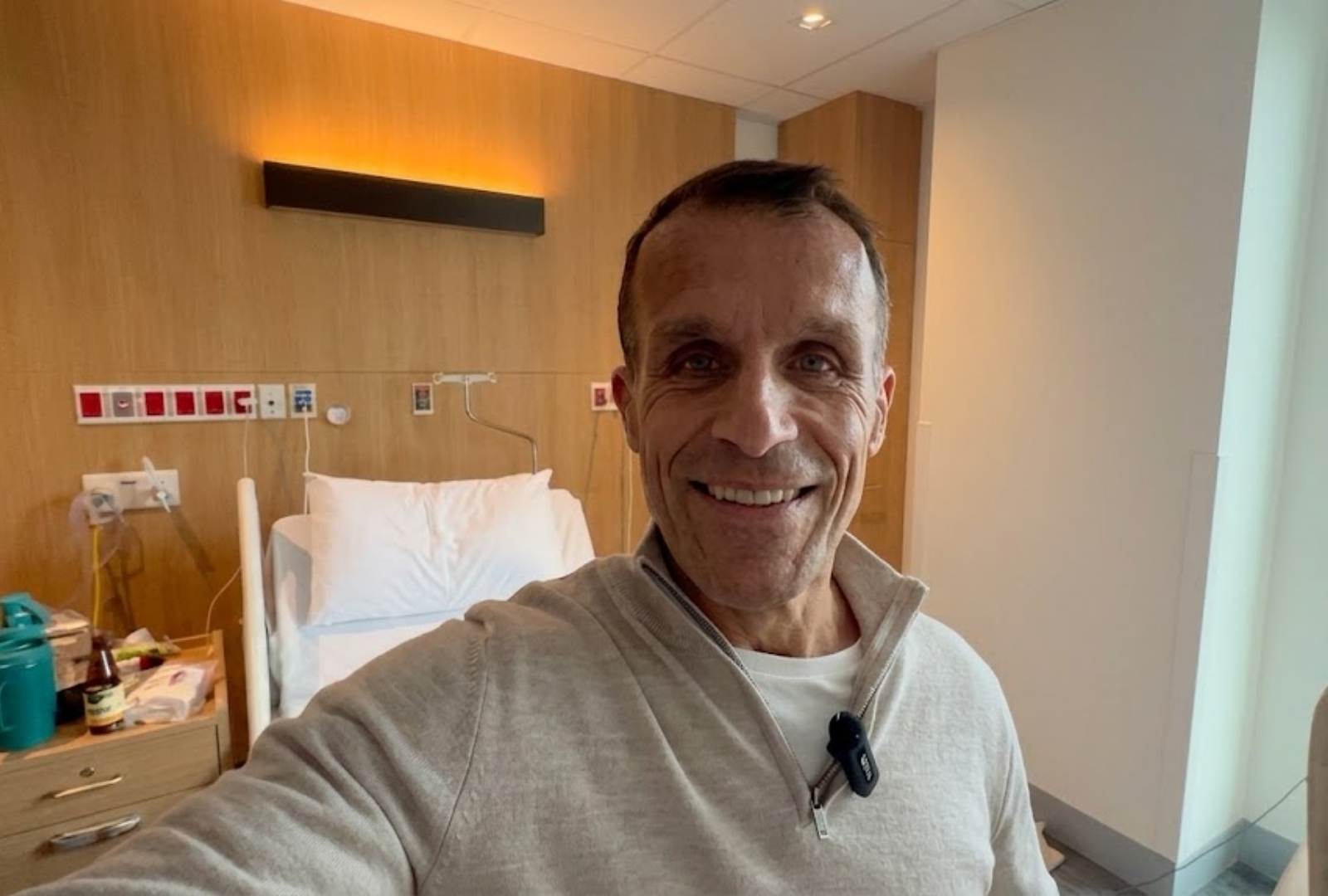
I had countless client sessions, trainings, and meetings scheduled, including meetings with myself. Obviously, I couldn’t do it all. Here are the three tactics that helped me keep the week relatively in control:
1. Triage ruthlessly. I applied a very simple logic. I looked at my massive to-do list and forced myself to select only the top two or three things for the day. Not the most urgent or the most interesting, but the ones that would have the absolute highest impact. I didn’t bother with anything else. If I hit one or two, great. If I hit three, amazing. You have to be brutal with your priorities when your energy is capped.
2. Plan around your constraints. The medical staff here in Australia are absolutely amazing, and the nurses have been so flexible. Every morning, I sat down with them to align our schedules. For example, I had an intravenous (IV) antibiotic drip scheduled for midday, right when I had an important client meeting. I asked if we could shift it, and they said, “We can do it at 11:00 AM instead, it takes half an hour, and you’ll be completely clear for your noon call.” I even put a sign on my hospital door that says “Recording video session—please do not enter.” They’ve been having a great laugh with it.
3. Lean into the power of delegation. I had no choice. I had to hand over several key tasks to my team, and they stepped up beautifully. Sometimes it takes a crisis to force you to look in the mirror and ask: am I actually delegating enough on a regular basis?
Because of these steps, I managed to keep the week under control, get the important things done, and still get plenty of rest. I should be discharged tomorrow, fully cured and feeling very grateful.
But if I’m being completely honest, the biggest lesson from this entire experience wasn’t just about time management. It was about listening to your body and, more importantly, listening to your wife. TK had been telling me for days to get my foot checked. So, look after yourself, and remember that sometimes the people around us know what’s good for us before we do.
This is this week’s Work Smarter, Live Better tip.
You have a lovely day.
À bientôt,
Cyril