A few years ago, one of my clients was visiting a car manufacturer in Japan. In the middle of the factory floor, he noticed a massive board covered in Japanese writing. Curious, he asked his host what it was.
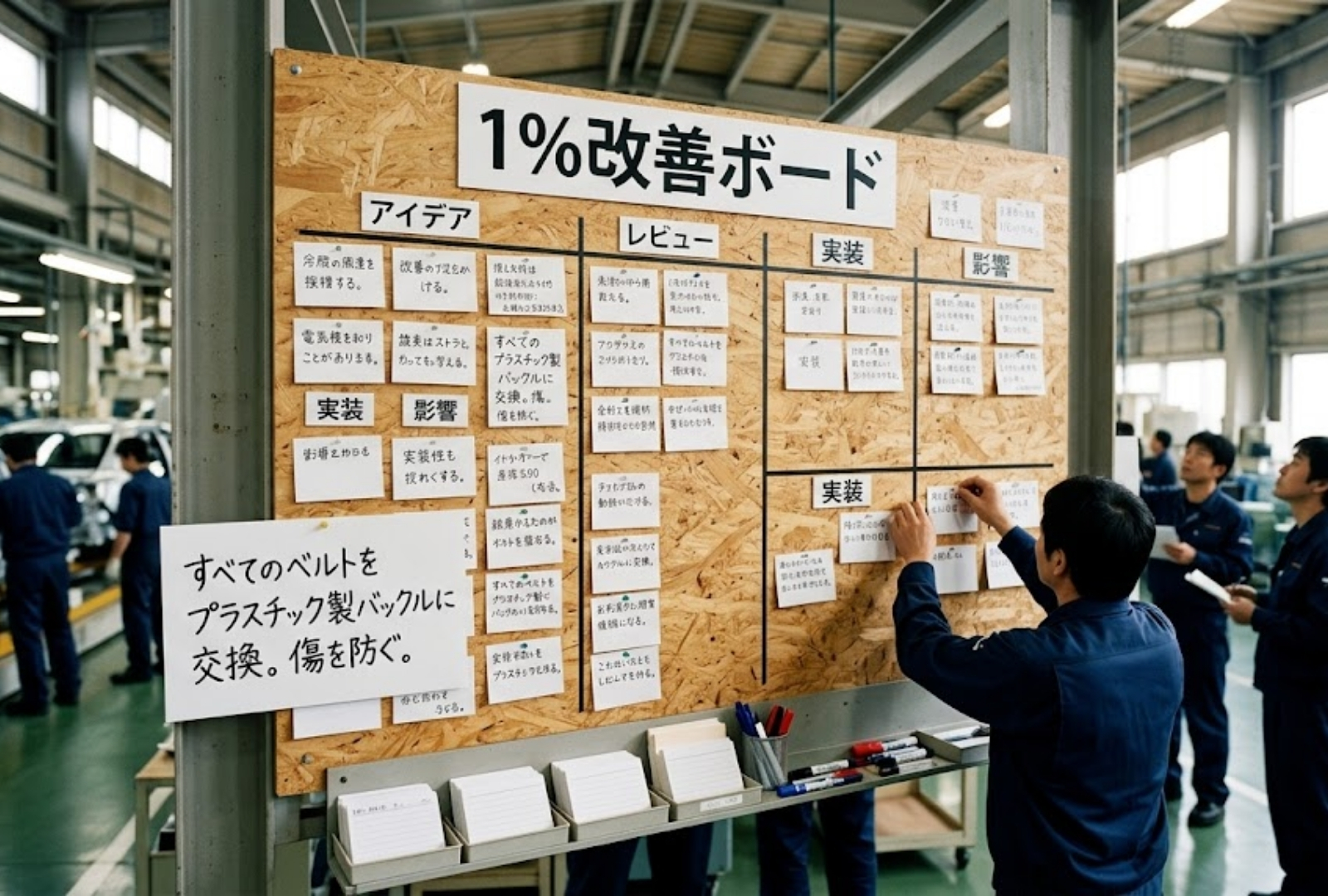
“That is our 1% board,” the host explained. “It’s where everyone—from the floor staff to the executives—writes down ideas for improvement.”
He shared a specific example: an employee noticed that cars often needed paint touch-ups at the very end of the line because of tiny scratches. He realised the workers’ metal belt buckles were brushing against the cars as they worked. His suggestion? Swap everyone’s belts for ones with plastic buckles.

It was a tiny change. But compounded over thousands of cars every single day, it made a massive difference to their efficiency and quality.
In this video, I want to share the philosophy of Kaizen—the Japanese concept of “continuous improvement”—and how we can adopt it in our own working lives.
I work with leaders all over the world, and I’m always surprised by how busy they are. They are constantly running from one fire to the next, one project to another. Time for thinking and improvement is almost never on the agenda. When they do think about improvement, it’s usually a massive, daunting project like overhaulng an entire product line.
I believe in a different way: the power of small things done on a regular basis. Many years ago, I adopted this philosophy to improve our own training programs, and it has changed everything.
Here are three ways we make it happen:
1. The Weekly Rhythm.
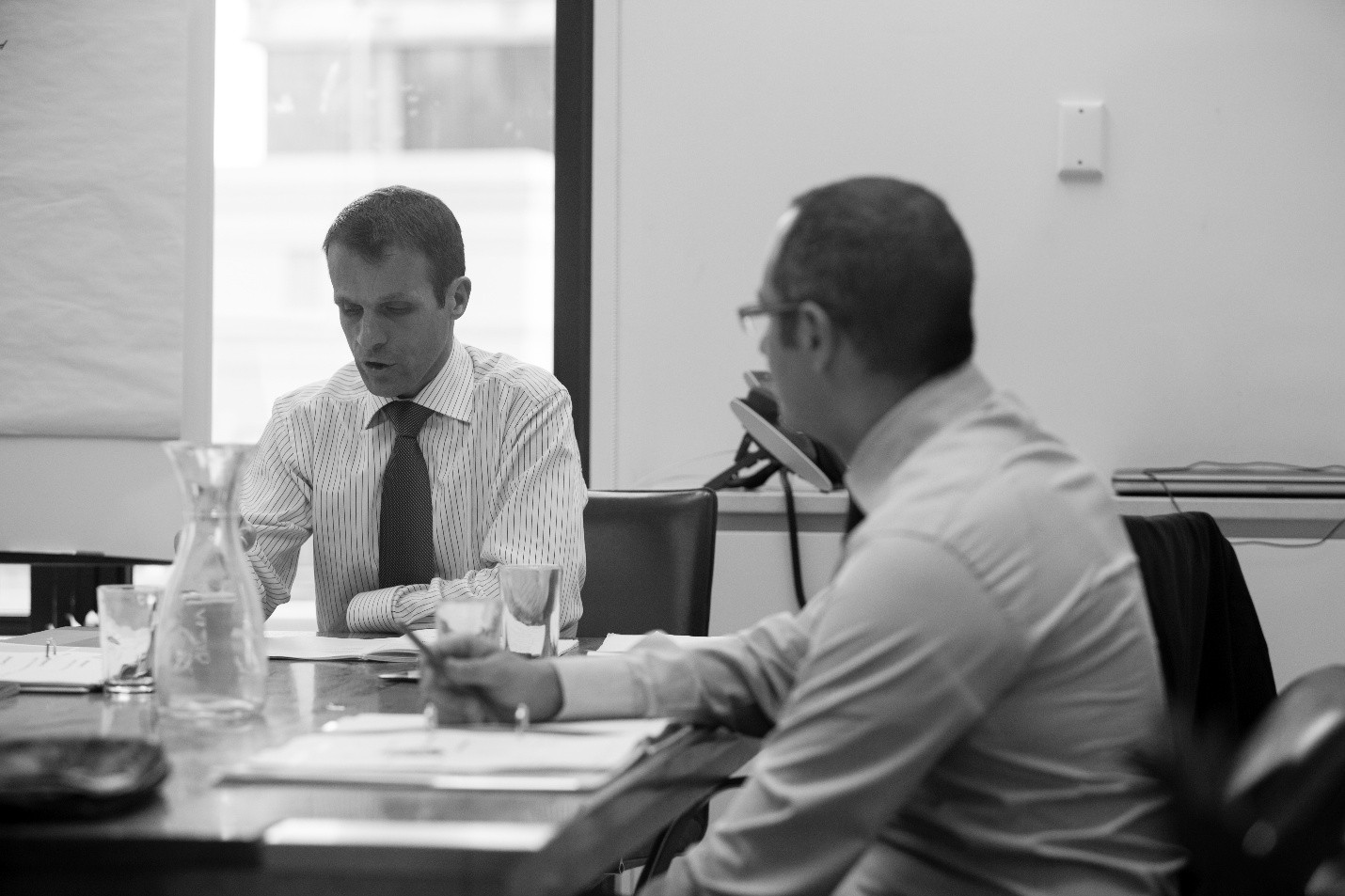
Every week, I have a meeting with two people from my team with one simple question: How can we improve? How can we do better? I’ve been doing this every single week for the last fifteen years. Some weeks it’s thirty minutes, others it’s ninety, but we always do it. Even after a decade, I’m always surprised that there is still something to refine.
2. The “One Small Thing” Survey.
We don’t just ask ourselves; we ask our clients. At the end of every training session, we ask: “If you had just one small improvement to make in the program, what would it be?” Listening to those small ideas from our clients is how we truly grow.
3. Protected Preparation.
I protect between an hour and a half to three hours every week just to prepare for my meeting with Kara and Josh, the two members of my team. I ask myself how I can improve and what we need to discuss. To be honest, I often wish I had five hours—there is always that much to improve.
In our work at Work Smarter Live Better, we talk about the “Ideal Week.” A key part of that is incorporating a rhythm for improvement. Even if it’s just half an hour, taking the time to think about how you work—rather than just doing the work—will give you an incredible amount of impact over time.
So my question to you is this: How can you incorporate a “1% meeting” into your week? Whether it’s a solo session or a quick catch-up with your team, what is one small process you could refine today that would compound into a big result tomorrow?
This is this week’s Work Smarter, Live Better tip.
You have a lovely day.
À bientôt,
Cyril