A few years ago, Microsoft published a study that stayed with me. In the last fifteen years, the average human attention span has dropped from twelve seconds to just eight. To put that into perspective, the average attention span of a goldfish is nine seconds.
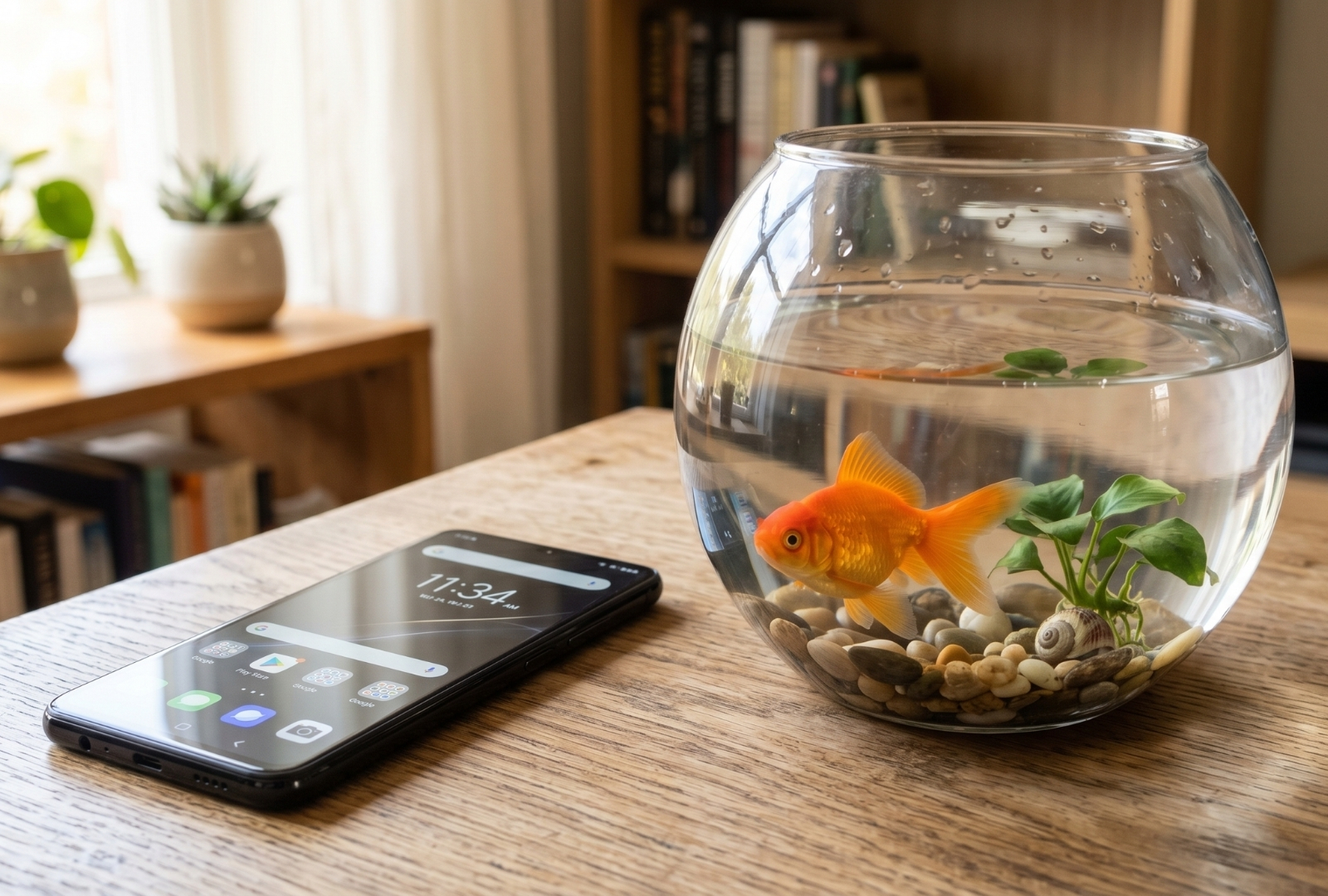
It’s official: we now have a lower attention span than a goldfish.
In this video, I want to talk about this attention crisis and share a few simple suggestions to help you fight back.
Working with leaders, I see firsthand how difficult it is to maintain focus in the modern workplace. We are constantly being interrupted—colleagues stopping by your desk for a “quick” question, or the endless “ping” of electronic notifications.
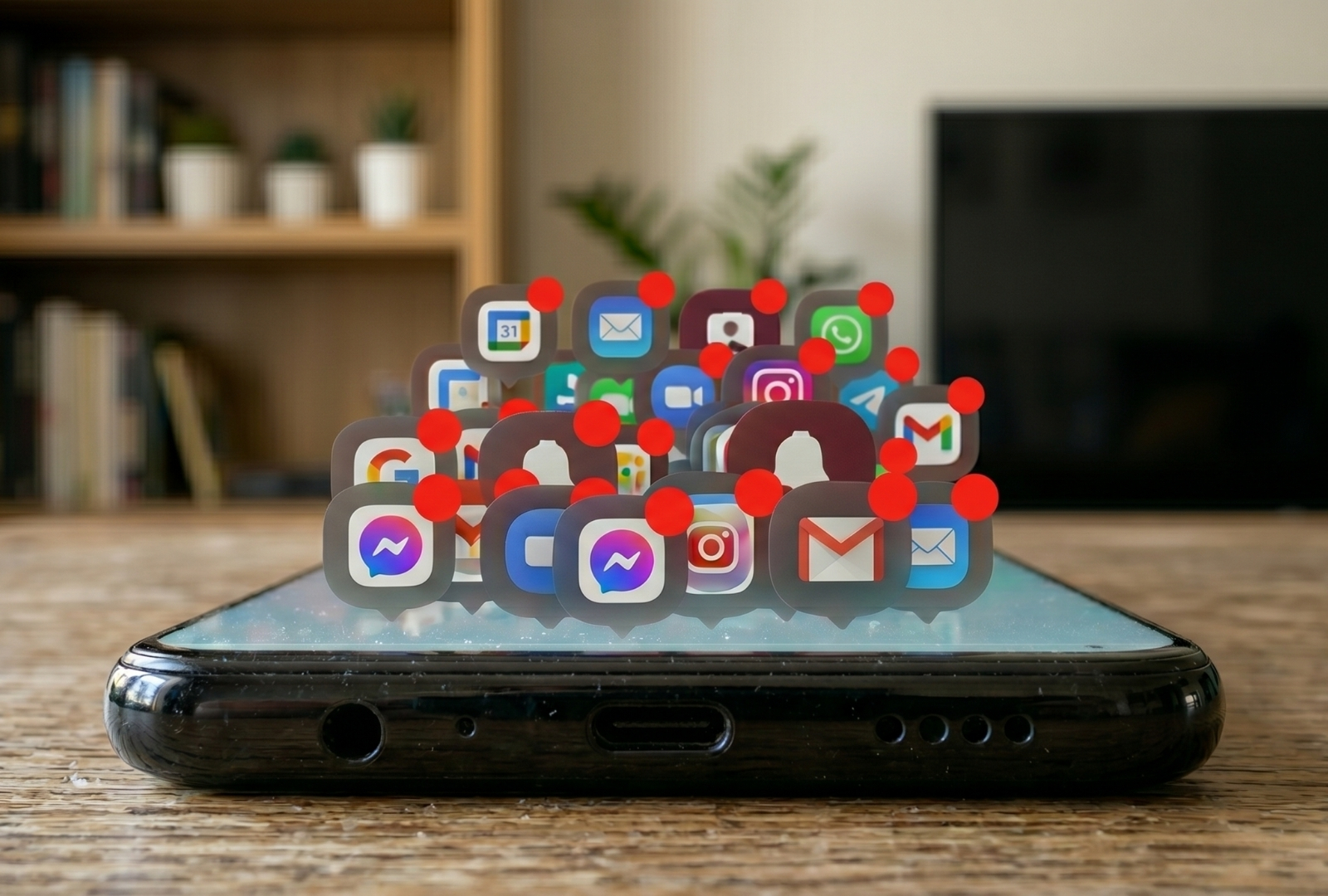
Breaking our concentration has two serious impacts. First, it dramatically reduces the quality of our performance. Second, it robs us of our joy. There is a deep, powerful link between the ability to create focus and reaching a state of high happiness.
To combat this, I use a simple framework: Ban, Reduce, and Plan.
Ban
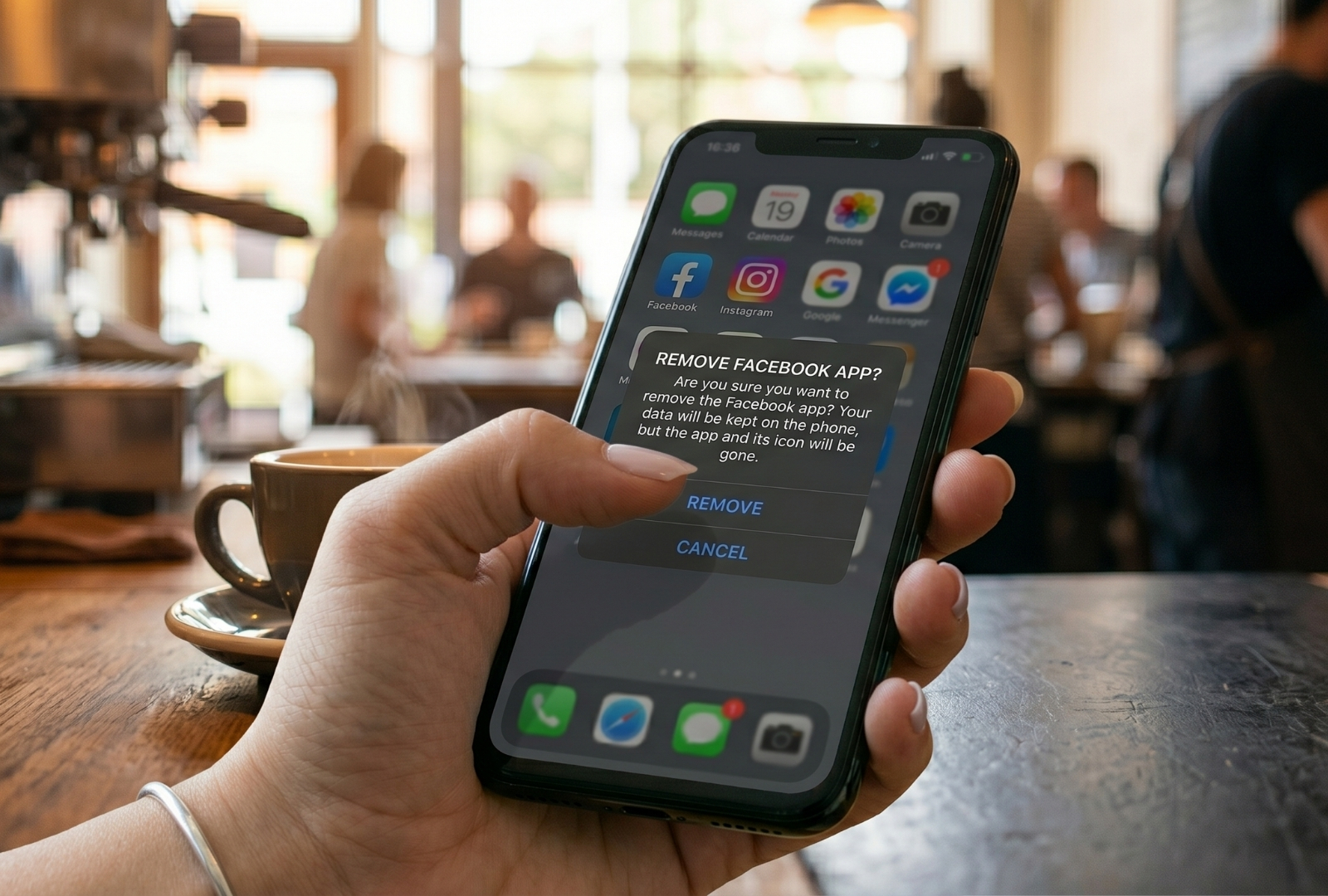
I’ve had to ban several apps and platforms from my life. I recently read a brilliant book called Stolen Focus by Johann Hari. He explains that these platforms—Instagram, TikTok, LinkedIn—are designed by world-class experts to grab your attention and keep it for as long as possible. It’s mathematical: the more time you spend there, the more money they make.
I realised I couldn’t win that fight through willpower alone. So, I’ve deleted almost all of them from my mobile phone. I’ve kept Instagram only to follow my kids’ travels, but that’s the hard limit.
Reduce
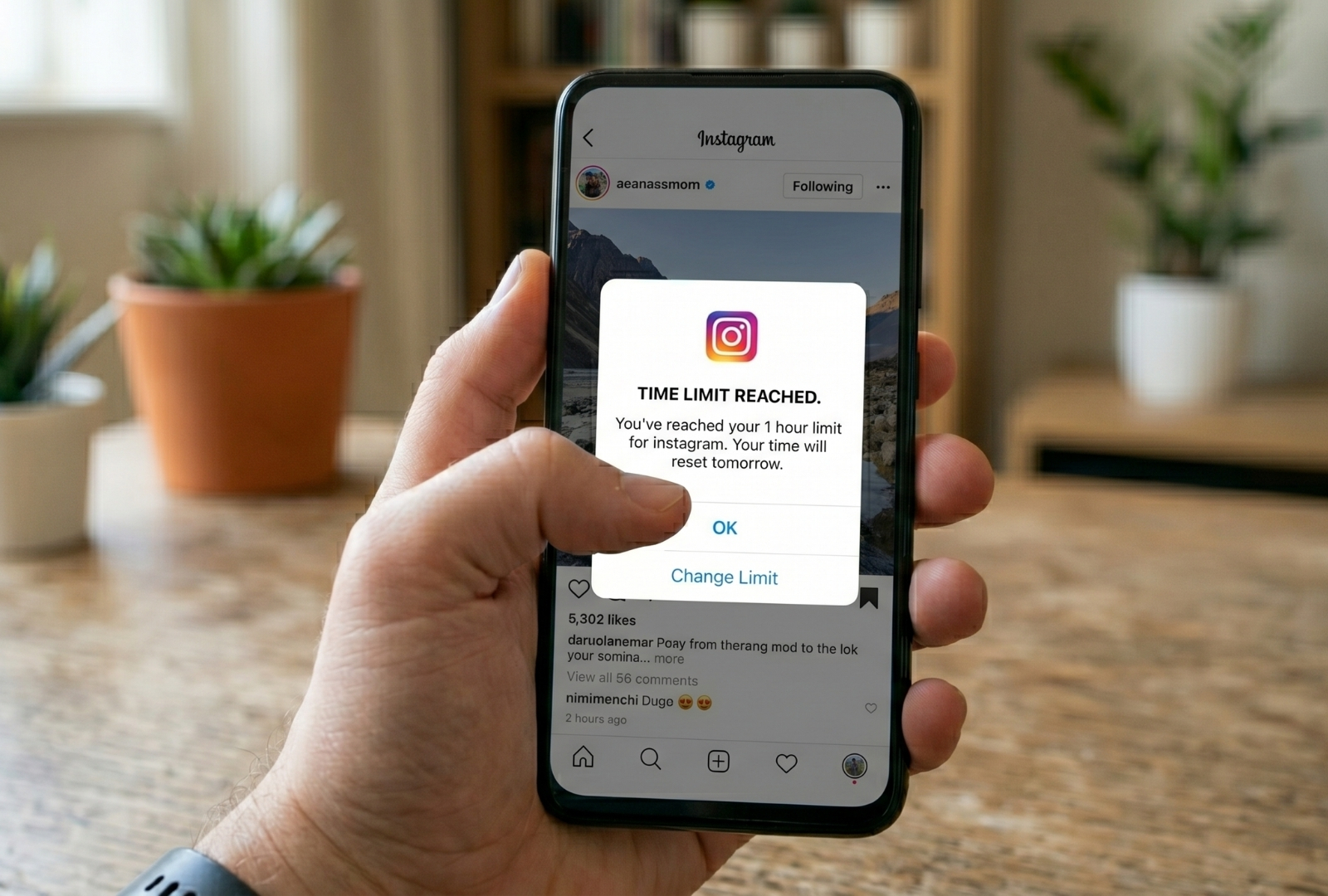
For the apps I’ve kept, I’ve drastically reduced their power over me. I’ve turned off almost every notification except for basic SMS. No more “pings” pulling me away from my work.
I also use the “Screen Time” settings on my iPhone to limit my usage. For instance, my Instagram is capped at ten minutes per day. To make it stick, I’ve set a passcode. I have a friend, Pol, who took this even further. He set the code without looking so now he literally cannot bypass the limit even if he would like to. I haven’t quite found that level of courage yet, but having any barrier makes a huge difference.
Plan
Finally, I plan my “off” time using a rule I call 8-8. From 8:00 PM to 8:00 AM, I don’t look at my phone. If someone calls, I’ll answer, but there is no scrolling allowed.
It’s incredible how much time you get back when you apply these rules. You feel calmer, more present, and significantly more focused. Now, let me be clear: I am not perfect. Some days I punch in my code and scroll too much, or I slip up on my 8-8 rule. But it’s about progress, not perfection.
So, I ask you this: What simple tactics could you use to reduce the time you spend on social media?
I say “tactics” because if you only rely on willpower, you have no chance against the smart PhDs whose entire job is to steal your attention.
This is this week’s Work Smarter, Live Better tip.
You have a lovely day.
À bientôt,
Cyril